Welcome to the Monthly Newsletter by Amer Kaissi
Edition #4, February 2020
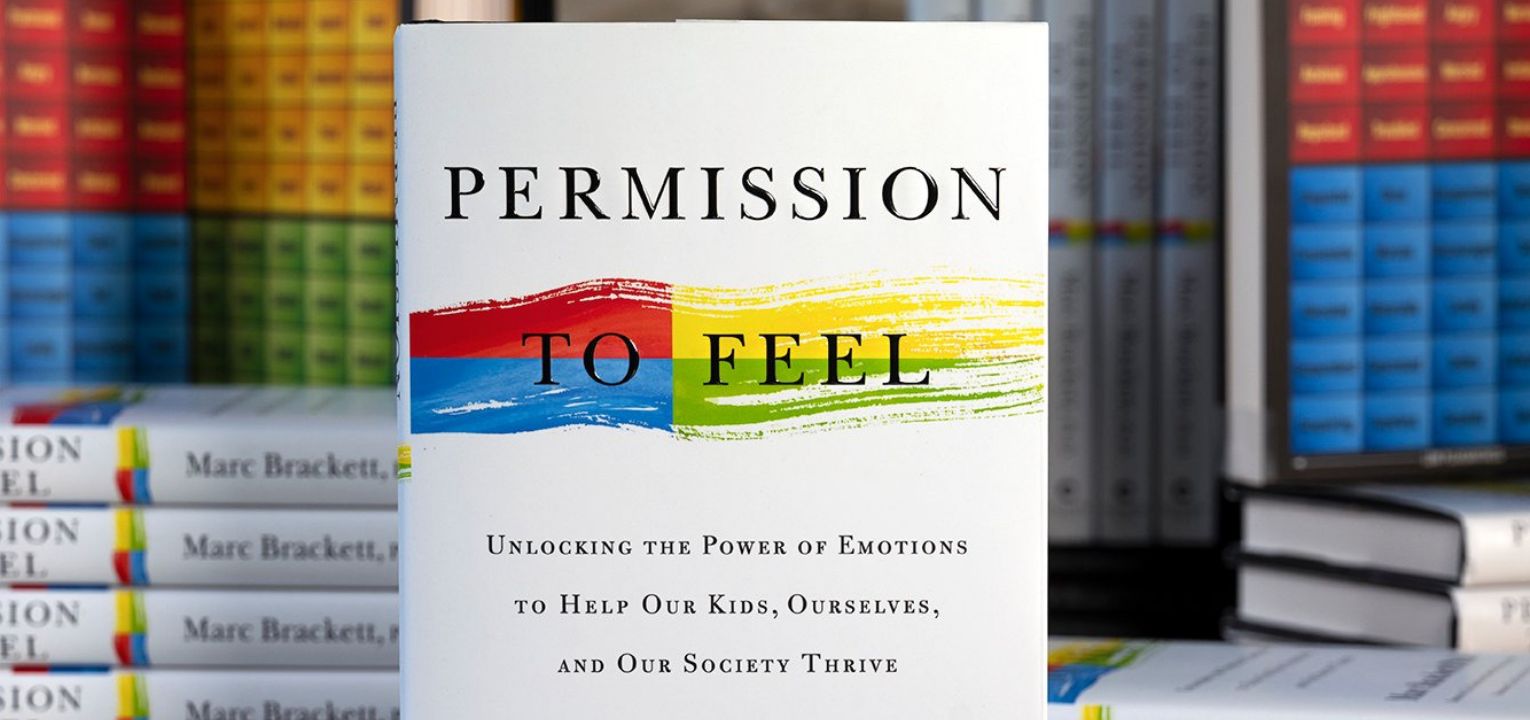
This year, we made a decision at the Department of Healthcare Administration at Trinity University that every graduate student will take a certified “Emotional Intelligence” assessment and will get coached on improving his/her emotional intelligence skills. Why did we decide to invest in this? Because we believe that Emotional Intelligence is a crucial skill for leaders, especially young ones. When I sit down with the students to walk them through their reports, “emotional self-awareness” and “emotional self-expression” consistently emerge as important areas for understanding and improvement. And that’s why “Permission to Feel” by Marc Brackett is an especially timely book.
“We can’t spend every minute focused on our emotions. We wouldn’t have the time or attention to do much else. However, we can’t go through life ignoring that we feel or minimizing its meaning. All emotions are an important source of information about what’s going on inside us,” argues Brackett. He makes a strong case that emotional awareness and intelligence are not something fuzzy and touchy-feely, like a retreat from reality. Rather, these are essential mental skills that enable us to think smarter, more creatively, and to get better results from ourselves and the people around us. He also stresses that emotional intelligence doesn’t allow feelings to get in the way. In fact, it does just the opposite: it restores balance to our thought processes by preventing emotions from having undue influence over our actions and by helping us to realize that we might be feeling a certain way for a reason that we haven’t considered yet.
“Permission to Feel” is full of relevant research and interesting stories demonstrating the importance of feelings not just at work, but in all aspects of our lives. My favorite part of the book is Chapter 6, where Brackett talks about the importance of labeling our emotions: “There are hundreds of words we could use to describe our feelings, but most of us use on or two: “fine” or “busy.” Without the proper vocabulary, we can’t label our emotions, and if we can’t label them, we can’t properly consider them or put them into perspective. Only when we name our emotions, we begin to possess their power, and we can tame them. This resonated well with me as most often when people ask how I’m feeling and I say “fine,” it is probably my way to avoid talking about my feelings!
I hope you enjoyed this edition of the Newsletter. Every month, I will share with you one leadership or management book that I am reading, and tell you what I learned from it. Please invite your colleagues and friends to sign up.
———————————————————————————————
Dr. Amer Kaissi is a Leadership Keynote Speaker and a workplace culture and high-performance teams’ expert.